
How Do You Reduce Pet Allergens Indoors?
Last Updated: October 30, 2026
Quick Summary
The most effective way to reduce pet allergens indoors is to combine a few habits: keep pets out of the bedroom, vacuum high-traffic areas two to three times per week with a HEPA-filtered vacuum, wash pet bedding weekly, and use an air purifier with a true HEPA filter. Dander settles into carpets and upholstery, so cleaning those surfaces matters as much as filtering the air.
- Keep pets out of the bedroom and close the door to limit nightly exposure.
- Vacuum high-traffic areas two to three times per week with a HEPA-filtered vacuum.
- Wash pet bedding, blankets and washable toys every week to lower allergen levels.
- Choose hard surfaces or washable rugs in rooms where the pet spends most time.
- Replace HEPA filters every 6-12 months and pre-filters every 1-3 months in homes with pets.
Table of Contents
- Why Pet Allergens Build Up Indoors and Where They Hide
- Keep Pets Out of the Bedroom and Closed Rooms First
- How to Remove Pet Dander from Carpet and Furniture
- How Often to Vacuum for Pet Allergies
- Washing Pet Bedding, Toys and Fabrics
- Choosing the Best Air Purifier for Pet Allergies
- Building a Pet Allergy Cleaning Routine You Can Keep
- Frequently Asked Questions
Pet allergens are one of the most common triggers for indoor allergy symptoms, and they can cling to carpets, couches and bedding long after a pet has left the room. Learning how to reduce pet allergens indoors starts with understanding where they hide and which steps make the biggest difference. Here is a practical, room-by-room approach you can start using this week.
Pet allergens are mostly tiny flakes of skin called dander, along with proteins in saliva and urine. For a clear explanation of what pet dander is and why it triggers allergies, read What Is Pet Dander and Why Does It Cause Allergies?. A 2024 review in the PMC/NIH database, which cites updated ASHRAE guidance, recommends air filters rated MERV 10 or higher for removing pet dander from indoor air (Minimizing indoor allergen exposure: What works? review). That gives you a clear starting point for the air side of the problem.
Why Pet Allergens Build Up Indoors and Where They Hide
Pet dander is light, sticky and easy to spread. It settles into carpet fibers, upholstery and pet bedding, then gets stirred back into the air whenever someone walks, sits or vacuums. That is why a home can feel clean while still triggering symptoms.
Here are the places that tend to hold the most allergens:
- Carpets and rugs
- Couches, chairs and other upholstered furniture
- Pet beds and blankets
- Curtains and soft toys
- Air ducts and HVAC filters
Keep Pets Out of the Bedroom and Closed Rooms First
The bedroom is the highest-value room to protect, because you spend hours there each night. Keeping pets out of it cuts a major source of exposure fast.
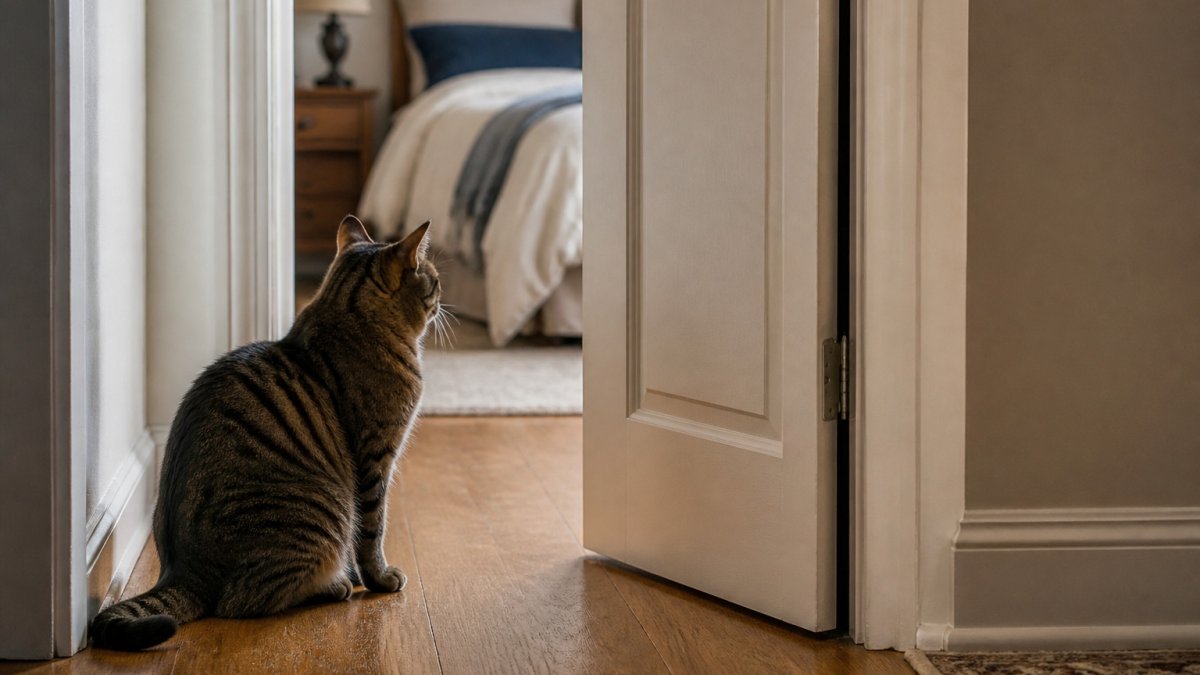
Start with these steps:
- Close the bedroom door whenever the pet is inside the rest of the home
- Choose one room as a pet-free zone and keep it that way
- Wash your hands after petting and before going to bed
This is a simple change, and it costs nothing. Expect it to help most when paired with the cleaning steps below.
How to Remove Pet Dander from Carpet and Furniture
Carpets and upholstery are reservoirs: allergens settle into fibers and are stirred back into the air every time someone walks, sits, or vacuums. For step-by-step methods, see practical guide to cleaning pet dander from fabrics. Regular cleaning keeps the reservoir small, but the bigger lever is reducing how much soft surface the reservoir can occupy in the first place.
Sequence the work so you don’t re-contaminate clean surfaces. Work top to bottom and dry to wet:
- Damp-dust shelves, sills, and hard furniture first so dust does not fall onto freshly cleaned floors.
- Vacuum upholstery, under cushions, and along baseboards.
- Vacuum carpets and rugs with slow, overlapping passes.
- Mop hard floors last with a damp mop.
Carpet and rugs. Vacuum high-traffic areas two to three times per week with a HEPA-filtered vacuum, and deep-clean (steam or hot-water extraction) every 3-6 months in homes with pets. When replacing flooring, favor hard surfaces (hardwood, luxury vinyl, tile) in the rooms where the pet spends the most time, and use washable rugs, ones you can launder or hose down, instead of wall-to-wall carpet. If carpet is staying, choose low-pile over plush, because it holds less dander and is easier to extract.
Upholstery by material. Fabric sofas and chairs should be vacuumed weekly with an upholstery attachment; slipcovers that can be washed weekly are the single biggest upgrade for a fabric couch. Leather and other hard-surface furniture wipe clean with a damp microfiber cloth and hold far less dander. For fabric that cannot be washed, a light steam pass helps, but test a hidden area first.
When to consider replacement. If a carpet or couch is more than about a decade old, has been through repeated pet accidents, or still triggers symptoms after consistent cleaning, replacement is often more effective than another round of cleaning. Pet urine proteins penetrate padding and backing and are difficult to fully remove.
Dry dusting and dry sweeping push allergens back into the air. Damp cloths, HEPA vacuums, and wet extraction capture them instead.
How Often to Vacuum for Pet Allergies
Vacuum frequently enough that dander never builds up in high-traffic areas. For most homes with pets, vacuuming two to three times per week is a good target, with extra passes in rooms where the pet spends the most time.
Keep these habits in mind:
- Use a vacuum with a HEPA filter so fine particles are trapped, not blown out
- Go over furniture and under-bed areas, not just open floor space
- Empty the vacuum canister or replace the bag outside the home when possible
The article recommends a steady vacuuming and cleaning rhythm, summarised below.
| Task | Frequency | Note |
|---|---|---|
| Vacuum high-traffic areas | Two to three times per week | Extra passes where the pet spends most time |
| Use vacuum with HEPA filter | Every vacuuming | Traps fine particles instead of blowing them out |
| Empty canister or replace bag | After each use | Do it outside the home when possible |
| Wash pet bedding and toys | Weekly | Mechanical washing with detergent reduces allergens |
| Deep-clean carpets and upholstery | Every few months | Keeps the allergen reservoir small |
Washing Pet Bedding, Toys and Fabrics
Pet bedding, blankets and soft toys collect dander quickly. Washing them is one of the easiest ways to lower allergen levels in the home.
A 2024 review reports that mechanical washing with detergent is useful for reducing dog and cat allergens from fabrics (Minimizing indoor allergen exposure: What works? review). Wash pet bedding and washable toys every week, and wash throw blankets and slipcovers regularly.
Choosing the Best Air Purifier for Pet Allergies
Air purifiers capture dander that is already airborne, but two units with the same HEPA label can perform very differently in a real room. You can compare relief products in our pet dander allergy relief products review. The variables that matter most are the filter grade, the unit’s clean-air delivery rate (CADR), the room size it is rated for, and where you place it.
Filter grade. Look for a true HEPA filter (rated to capture at least 99.97% of particles at 0.3 microns) or a filter rated MERV 10 or higher, consistent with the ASHRAE-based guidance cited in the 2024 PMC/NIH review (Minimizing indoor allergen exposure: What works? review). Avoid “HEPA-type” or “HEPA-like” marketing language, those labels are not standardized.
Sizing with CADR. CADR is listed on the box in cubic feet per minute (cfm) for dust, pollen, and smoke. A common rule of thumb is to choose a CADR (dust) at least two-thirds of the room’s square footage, assuming an 8-foot ceiling. For a 150 sq ft bedroom, aim for a dust CADR of about 100 cfm or higher. Larger open-plan living areas often need two units rather than one oversized unit, because air mixes poorly around corners and furniture.
Placement. Put the unit where the pet spends the most time and where air actually circulates, not tucked behind a couch or in a corner. Keep at least a foot of clearance on all sides so intake and exhaust are not blocked. In a bedroom, a unit running on low overnight is usually more effective than a high setting for an hour before bed.
Filter replacement. Most manufacturers recommend replacing the HEPA filter every 6-12 months, and the pre-filter every 1-3 months in homes with pets. A dark, matted, or visibly loaded pre-filter is the practical signal. Skipping replacement raises noise and energy use while lowering capture efficiency.
Our SR100 from Aero Essence LLC is designed to tackle nine types of pollutants, including pet dander, dust mites, pollen, mold spores and smoke. It also provides visual confirmation that it is actively purifying the air.
A purifier supports cleaning, it does not replace it. Dander that has settled into carpet and upholstery has to be removed by vacuuming and washing; a purifier only handles what is already floating.
Building a Pet Allergy Cleaning Routine You Can Keep
The best plan is the one you will actually follow. Build a simple schedule that fits your week.
- Daily: Keep the bedroom door closed and wash hands after handling pets
- Weekly: Vacuum high-traffic areas, wash pet bedding and damp-dust hard surfaces
- Monthly: Check and replace HVAC filters as the manufacturer recommends
- Every few months: Deep-clean carpets and upholstery
Track how you feel over a few weeks. If symptoms ease, keep the routine. If they don’t, talk with a doctor about allergy testing and treatment options.
Frequently Asked Questions
How can I reduce pet allergens in my home?
Start with the rooms where you spend the most time, especially the bedroom. Keep pets out of it, wash bedding weekly in hot water, and vacuum carpets and upholstery with a HEPA-filtered vacuum. Clean hard surfaces with a damp cloth rather than dry dusting, which only moves dander into the air. Combine these habits with a filter upgrade on your HVAC system. Expect gradual improvement over several weeks rather than an overnight change, because allergens settle back onto surfaces and are re-stirred by movement, so consistency matters more than any single cleaning.
Do air purifiers help with pet allergens?
Air purifiers can reduce airborne pet dander, but they work best as one part of a routine rather than a standalone fix. Published research generally recommends filters rated MERV 10 or higher for removing pet dander, and suggests that MERV 12 or higher can reduce indoor cat-allergen levels. Size the unit to the room, run it continuously on a low setting, and keep it away from walls and furniture. Pet dander that has already settled on carpet and furniture will still need to be vacuumed or washed away.
How often should I vacuum if I have pet allergies?
Vacuum high-traffic floors and pet areas at least once or twice a week, and more often in homes with several pets or heavy shedding. Upholstery, pet beds and rugs under furniture benefit from weekly attention. Use a vacuum with a HEPA filter and a sealed system so fine particles are not exhausted back into the room. Running the vacuum slowly and making multiple passes captures more dander. Even with a consistent schedule, the effect is temporary, since allergens settle again within days.
Does bathing my pet reduce dander?
Bathing can temporarily lower the allergens on a pet’s coat and skin, but the benefit fades quickly as the animal sheds and produces new dander. Frequent bathing can also dry the skin and cause more flaking, so ask your veterinarian how often is appropriate for your pet. Bathing works best as one step alongside regular grooming, washing bedding and filtration, not as a substitute for them.
Start small by keeping pets out of the bedroom and cleaning your most-used fabrics. Then add a HEPA vacuum and a purifier like the SR100 from Aero Essence LLC for ongoing protection. Visit our site to explore the SR100 and find the right setup for your home.
