
Best Indoor Plants That Filter Pollen: What Actually Helps
Last Updated: November 8, 2026
Quick Summary
Indoor plants do little to filter pollen, and research on their air-cleaning benefits is weak. Plants are best treated as decoration, while reducing pollen depends on filtration, sealing and cleaning habits.
- The American Lung Association says houseplants should not be assumed to meaningfully clean indoor air.
- Flowering plants can release pollen, and moist soil or standing water can support mold.
- Keep windows closed on high-pollen days and change HVAC filters on schedule.
- Wash bedding weekly in hot water and use a HEPA-rated vacuum on carpets and upholstery.
- Add one plant at a time so any new symptom is easier to trace.
Table of Contents
- The Best Indoor Plants for Allergies and Asthma
- Worst Indoor Plants for Allergies and Who Should Be Careful
- How to Get Rid of Pollen Indoors Beyond Plants
- Mold, Soil and Care Habits That Keep Plants From Adding Allergens
- Choosing the Right Setup for Your Household’s Allergy Needs
- Frequently Asked Questions
Indoor plants are popular for their looks, but many shoppers buy them hoping to clear pollen from their homes. The short answer is that plants offer little measurable pollen filtering, and the research on their overall air benefits is weak.
A commonly cited 1989 NASA study is often credited with starting the idea that houseplants clean indoor air. The American Lung Association says that belief has been overstated and that houseplants should not be assumed to meaningfully clean indoor air (American Lung Association, “Actually, Houseplants Don’t Clean the Air”). Research summarized by Asthma.net also suggests houseplants will not reliably improve air quality or asthma symptoms (Asthma.net, “Should I Have Houseplants If I Have Asthma?”).
Some studies do look at where plants are placed. A study published in the Journal of Physiological Anthropology examined house-plant placement in indoor spaces frequented by people with asthma to evaluate indoor air quality and possible health benefits (House-plant placement for indoor air purification and health).
The practical takeaway is simple. Treat plants as decoration, not as an allergy control. Reducing pollen usually depends on filtration, sealing and cleaning habits.
The Best Indoor Plants for Allergies and Asthma
Most guides rank houseplants for allergy sufferers, and the same names appear again and again: snake plant, spider plant, peace lily, areca palm, Boston fern, English ivy and rubber plant. We list them here because shoppers ask about them, but the supplied research does not confirm that any of them filters airborne pollen in a home. What the lists rarely explain is why some of these plants are lower-risk than others. The useful distinction is not “filters pollen” versus “doesn’t”, it is whether a plant flowers indoors, how its pollen is released, and whether its sap, fragrance or soil habits can trigger symptoms on their own. Opting for non-living alternatives like Felted Flowers removes the biological variables of pollen and mold entirely, providing a way to enjoy greenery without the physiological risks associated with live indoor flora.
A few plant-biology facts make the rankings easier to read.
Snake Plant for Allergies
Snake plant (Dracaena trifasciata, formerly Sansevieria) is grown for its upright, sword-shaped leaves and tolerance of low light and irregular watering. Its leaves can be wiped clean, and it is best chosen for low maintenance and easy care rather than as an allergy solution.
Spider Plant, Peace Lily and Aloe Vera
Spider plant (Chlorophytum comosum) is a foliage plant grown for its arching leaves and easy care. Peace lily (Spathiphyllum) is a flowering plant that is toxic to cats and dogs if chewed. Aloe vera is a succulent grown for its gel-filled leaves. Choose any of these for care needs and looks rather than as an allergy solution.
Palms, Ferns and Rubber Plants
Areca palm, bamboo palm, parlor palm, Boston fern, English ivy and rubber plant are commonly grown houseplants. Rubber plant (Ficus elastica) is grown for its large leaves, which should be wiped to remove dust. Plant care, including watering and humidity, matters for keeping soil and foliage from encouraging mold.
Watch out: a plant sold as “air-purifying” may still flower indoors. If someone in the household has known pollen sensitivity, consider foliage plants that rarely bloom and keep any flowering plant out of the bedroom.
The article’s plant guidance comes down to a few concrete care and risk points worth comparing side by side.
| Plant | Key point from article | Caution |
|---|---|---|
| Snake plant | Low-light, low-maintenance; leaves can be wiped clean | Choose for ease of care, not allergies |
| Spider plant | Foliage plant with easy care | Choose for looks and care needs |
| Peace lily | Flowering plant | Toxic to cats and dogs if chewed |
| Aloe vera | Gel-filled succulent leaves | Toxic to cats and dogs if chewed |
| Rubber plant | Large leaves; wipe to remove dust | Care habits affect mold risk |
Worst Indoor Plants for Allergies and Who Should Be Careful
Plants are not automatically safe for allergy sufferers. Flowering plants can release pollen, and moist soil and standing water can support mold, which is itself an allergen.
People with asthma, COPD or serious pet or pollen allergies should talk with an allergist before adding plants to a sensitive room. Because the research on plants is thin, plant choice should never replace medical advice or proven air controls.
How to Get Rid of Pollen Indoors Beyond Plants
Reducing indoor pollen works better with a few consistent habits than with decorative greenery. For a broader look at the subject, see this complete guide to improving indoor air quality. Keep windows closed during high-pollen days, change HVAC filters on schedule, and use a HEPA-rated vacuum on carpets and upholstery. Wash bedding weekly in hot water and wipe hard surfaces with a damp cloth so dust does not get stirred up.
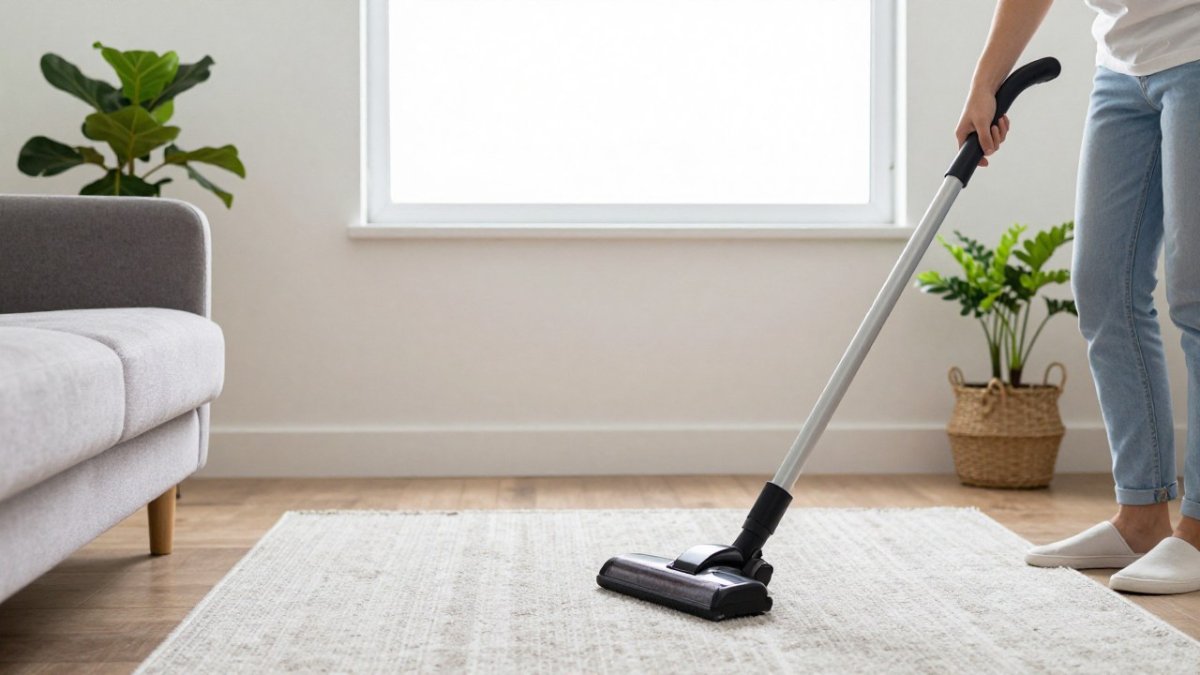
Shoe removal at the door also keeps outdoor pollen from being carried through the house.
Mold, Soil and Care Habits That Keep Plants From Adding Allergens
Plants bring soil, and soil can carry mold. Overwatering, poor drainage and saucers of standing water all encourage mold growth. Use a well-draining potting mix, empty saucers after watering and let the top layer of soil dry between waterings.
Dust leaves regularly, since dust collects on foliage and can be redistributed. If you notice a musty smell or visible mold on soil, remove the plant from the house and address the moisture problem before bringing it back.
Choosing the Right Setup for Your Household’s Allergy Needs
Start by identifying your main triggers: outdoor pollen, pet dander, mold, dust mites or wildfire smoke. Plants do not address most of these, so match the solution to the problem rather than to a plant list. A household with a pollen-sensitive sleeper has different needs from a household with a cat and a child with asthma, and the plant choice should follow the trigger, not the other way around.
Use these household factors to narrow the field:
- Light. Low-light rooms limit choices to snake plant, pothos, spider plant and parlor palm. Bright, indirect light opens up areca palm, rubber plant and most ferns. A plant that struggles in the wrong light drops leaves and creates more dead plant material to clean up.
- Humidity and moisture. Ferns and English ivy prefer higher humidity, which can raise mold risk in a tight room. In a humid climate or a basement, favor succulents and snake plant and run a dehumidifier if needed.
- Pets and children. Peace lily, English ivy and aloe vera are toxic to cats and dogs if chewed, per American Society for the Prevention of Cruelty to Animals guidance. Households with chewers should favor snake plant, spider plant, areca palm and parlor palm, which are generally considered non-toxic.
- Maintenance tolerance. Snake plant and pothos tolerate missed waterings; ferns and peace lily wilt quickly when dry. A neglected fern sheds dried fronds that add to indoor dust.
- Symptom sensitivities. If someone reacts to fragrance, avoid heavily scented blooms such as peace lily and keep flowering plants out of bedrooms. If mold is a trigger, prioritize well-draining soil and empty saucers.
A practical pattern is to keep one or two low-risk foliage plants in living areas, keep flowering plants out of bedrooms, and treat the plants as decor. Pair them with the cleaning and filtration habits above, closed windows on high-pollen days, scheduled HVAC filter changes, a HEPA-rated vacuum and weekly bedding washes, because those measures, not the plants, do the pollen reduction. Households with pets or children with asthma may consider dedicated air filtration. The Aero Essence LLC SR100 is designed to address dust mites, pet dander, pollen, mold spores and smoke, and provides visual confirmation of purification performance.
Watch out: adding several new plants at once makes it hard to tell whether a new symptom is from the plant, its soil or the season. Add one plant at a time and give it a few weeks before adding another.
Ready to build a cleaner indoor air setup? Explore the Aero Essence LLC SR100 and see how it handles the pollutants that plants cannot.
Frequently Asked Questions
What are the best indoor plants to help with allergies?
Some indoor plants are commonly grown for their appearance and easy care. However, the research supplied does not show that any of them measurably reduce pollen levels in a home. Treat them as decoration rather than an allergy control, and check with an allergist if symptoms persist.
Are snake plants good for people with allergies?
Snake plants are low-maintenance houseplants. However, the evidence that they filter airborne pollen is limited, so a snake plant should not replace regular vacuuming, dusting and air filtration.
Can houseplants make asthma or allergy symptoms worse?
Some plants can worsen symptoms, particularly flowering varieties that release pollen and plants that hold moisture in damp soil, which can encourage mold. People with asthma or COPD should keep soil dry and watch for symptoms after bringing a new plant home.
Can indoor plants filter pollen from the air?
The research supplied does not confirm that indoor plants meaningfully filter pollen from a home’s air. Houseplants should not be assumed to meaningfully clean indoor air. Plants can be a pleasant addition, but a HEPA air purifier and regular cleaning remove far more particles.
