
Air Purifier vs Air Scrubber for Pet Homes
Last Updated: October 22, 2026
Quick Summary
Air purifier vs air scrubber differs fundamentally: air purifiers use physical filtration through HEPA and carbon filters to capture pet dander and odors, while air scrubbers often use ionization or chemical processes to neutralize contaminants. For pet homes, HEPA filtration is the proven choice for removing allergens, though scrubbers can complement a layered approach.
- HEPA filters capture 99.97% of particles 0.3 microns and larger, including pet dander and dust mites that trigger allergies.
- Pet home prefilters need replacement every 1 to 3 months due to hair and dander buildup, compared to standard 6-12 month schedules.
- Ionization scrubbers move particles to surfaces rather than removing them, and some produce ozone, a documented respiratory irritant.
- A portable HEPA purifier with activated carbon is the practical, evidence-backed choice for most pet households with allergy concerns.
- Place your purifier in an open area where your pet spends most time or in your bedroom if allergies disrupt sleep.
Table of Contents
- Air Purifier vs Air Scrubber: Core Differences
- Comparison Table: Air Purifier vs Air Scrubber
- Air Purifier for Pet Allergies and Dander Removal
- Air Purifier for Pet Odors: Addressing Smells and VOCs
- Air Purifier Placement for Maximum Pet Allergen Removal
- Air Scrubber Technology: What It Does and Doesn’t Do
- Total Cost of Ownership and Filter Maintenance
- Which One Should You Pick for Your Pet Home?
- Frequently Asked Questions
Air Purifier vs Air Scrubber: Core Differences
Air purifier vs air scrubber technology differs fundamentally: an air purifier draws air through filters to capture particles, while an air scrubber often uses ionization or spray-based systems to neutralize contaminants. For pet homes, this matters because dander, hair, and odors demand specific removal strategies.
How Air Purifiers Work
An air purifier pulls indoor air through a pre-filter for large particles like pet hair, a HEPA filter for smaller airborne particles, and often an activated carbon filter for odors.
Efficiency depends on room size and air changes per hour (ACH). HEPA filtration specifically targets the microscopic particles, dust mites, pet dander, pollen, that trigger allergies.
How Air Scrubbers Work
Air scrubbers often skip physical filtration, using photocatalytic oxidation, ionization, or hydroxyl radical generation to neutralize pollutants at the molecular level. Some models spray a mist that chemically binds to contaminants.
The appeal is that scrubbers claim to handle gases and volatile organic compounds (VOCs) that HEPA filters alone cannot capture. According to New York State Department of Health guidance on indoor air cleaners, no air cleaner can remove all indoor air pollutants.
Comparison Table: Air Purifier vs Air Scrubber
| Feature | Air Purifier (HEPA) | Air Scrubber |
|---|---|---|
| Primary Method | Physical filtration through HEPA and carbon | Chemical neutralization or ionization |
| Pet Dander Removal | Excellent (HEPA captures 99.97% of 0.3-micron particles) | Moderate (depends on technology type) |
| Odor Reduction | Good (activated carbon layer) | Variable (some models excel, others don’t) |
| Upfront Cost | $150-$850 for quality residential units | Often higher; installation may be required |
| Filter Replacement | Every 6-12 months; cost varies | Depends on model; some require professional service |
| Noise Level | Generally 30-60 dB depending on fan speed | Varies widely by technology |
| Best For Pet Homes | Portable units for targeted allergen control | Whole-home systems if budget allows |
Air Purifier for Pet Allergies and Dander Removal
Your cat or dog constantly sheds skin cells (pet dander), hair, and saliva proteins. A HEPA air purifier captures particles as small as 0.3 microns.
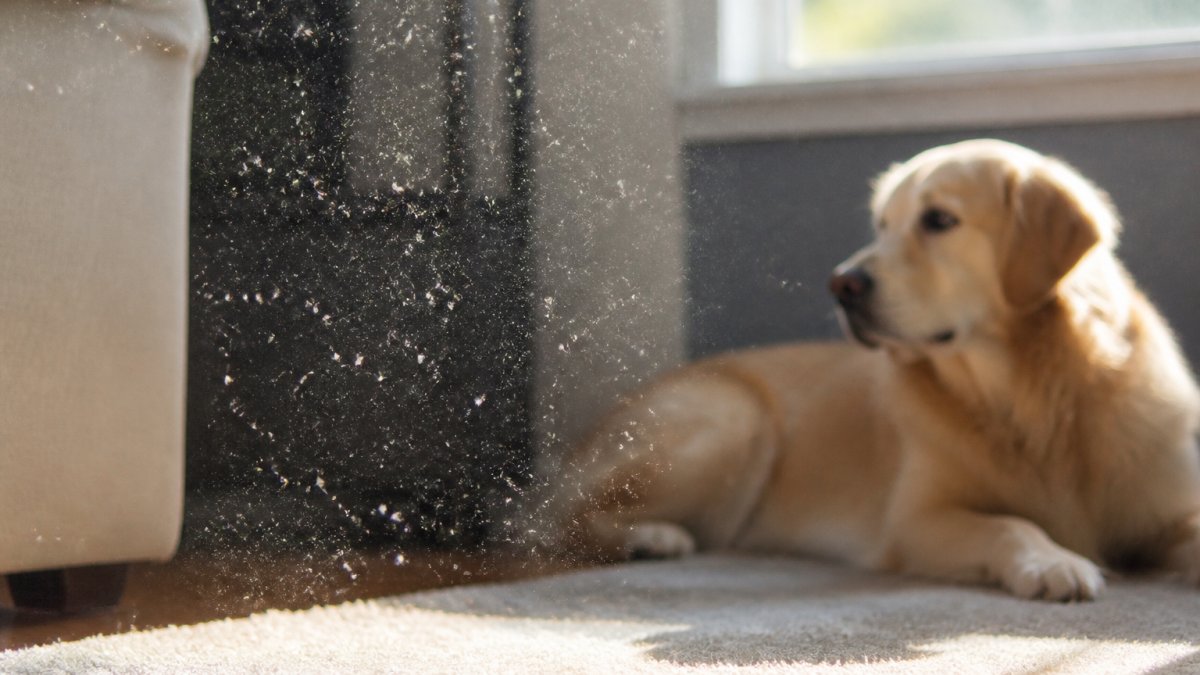
Research published in the Journal of Allergy and Clinical Immunology: In Practice examined air filtration as an intervention for allergic respiratory diseases and found that multiple studies support air filtration as an effective method.
Pet Hair vs Airborne Pet Dander
Pet hair clogs pre-filters quickly, so regular maintenance matters. But the real allergen culprit is pet dander, microscopic shed skin cells that float in the air and trigger sneezing, itchy eyes, and respiratory symptoms in allergic people.
A HEPA filter captures dander effectively, while the pre-filter catches visible hair before it clogs the HEPA stage. That two-stage approach is why pet-specific purifiers emphasize both layers.
Place your air purifier in the bedroom if allergies disrupt your sleep. Running it for 2-3 hours before bed gives you several air changes while you’re most vulnerable to symptoms.
HEPA and Activated Carbon Filtration
HEPA filtration is the gold standard for particle capture, removing 99.97% of particles 0.3 microns and larger, including dust mites, pollen, mold spores, and pet dander. For pet homes, it’s non-negotiable.
Activated carbon filtration handles what HEPA cannot: gases and odors from ammonia in urine, bacteria breakdown, and VOCs released by skin and fur. Carbon absorbs these molecules, reducing smells HEPA alone leaves behind.
The Aero Essence LLC SR100 combines both technologies, targeting nine pollutant types including pet dander, dust mites, pollen, and smoke. Its design emphasizes visual confirmation of purification, building confidence that your investment is working.
Air Purifier for Pet Odors: Addressing Smells and VOCs
Pet odors persist because they’re chemical compounds, not just particles: urine odor comes from urea breakdown, wet-dog smell from bacteria and oils on fur. An air purifier with activated carbon absorbs these VOCs and reduces smells noticeably within days of continuous operation.
Odor reduction depends on filter quality and saturation, a small unit’s carbon filter saturates faster in a multi-pet home. Running the purifier continuously, or at least 8-12 hours daily, extends carbon life.
Air Purifier Placement for Maximum Pet Allergen Removal
Placement determines effectiveness: the bedroom if allergies affect your sleep, the living room if that’s where your pet spends most time. The goal is maximizing how much allergen-laden air passes through the filters.
Room Size and Coverage Requirements
A unit rated for 300 square feet works in a 300-square-foot bedroom but struggles in a 600-square-foot open-concept space. In larger areas, run it continuously, place it in your primary zone, or buy a larger-capacity model.
Many pet owners run their purifier 24/7 for consistent allergen control. It increases filter wear and energy costs, but delivers the air quality allergic households need.
Placing a purifier in a corner or behind furniture blocks airflow. Position it in an open area where air can circulate freely around the intake and output vents. Poor placement cuts effectiveness by 30% or more.
Continuous Filtration and Air Changes Per Hour
Air changes per hour (ACH) measures how many times the purifier cycles your room’s entire air volume. For pet allergies, 4-5 ACH is a practical target; 6+ ACH is ideal for severe cases.
Continuous operation at medium speed beats high-speed short bursts, maintaining steady allergen reduction without the energy spike or noise of maximum fan speed.
Air Scrubber Technology: What It Does and Doesn’t Do
“Air scrubber” is an umbrella term covering at least four distinct technologies with different removal profiles, maintenance needs, and evidence bases. Treating them as one category is how marketing claims outrun what a device can actually do.
The Four Technologies Sold as Air Scrubbers
1. HVAC-mounted media scrubbers. Installed in ductwork or the air handler, these use a high-MERV or HEPA-rated media filter plus carbon.
2. Portable filtration scrubbers. Essentially portable HEPA purifiers marketed to restoration buyers, with pre-filter, HEPA, and carbon stages.
**3. The U.S. Environmental Protection Agency guidance on ozone generators advises against using devices that intentionally produce ozone in occupied spaces.
**4.
What Each Type Can and Cannot Remove
| Scrubber type | Pet dander and hair | Odors and VOCs | Key limitation |
|---|---|---|---|
| HVAC media scrubber | Good, if fan runtime is high | Moderate with carbon | Only works when HVAC fan runs |
| Portable filtration scrubber | Good | Moderate | Same sizing limits as any purifier |
| Ionization | Moderate particle settling | Limited | Moves particles to surfaces; ozone risk |
| PCO / hydroxyl | Limited particle capture | Variable, product-specific | Byproduct and validation concerns |
The pattern is consistent: the scrubber types that reliably remove pet dander are the ones that use physical filtration. The types that rely on chemistry or ionization are the ones whose pet-allergen performance is hardest to verify and most dependent on the specific product.
Why This Matters for Pet Homes
Pet allergens are particles, not gases. Dander, dried saliva proteins, and hair fragments are removed by filtration, not ionization or oxidation. A scrubber that excels at odors but does little for particles leaves the main allergy trigger in the air, while a HEPA purifier with carbon addresses both. The most defensible pet-home recommendation is filtration-first, with scrubbers as a supplement, not a substitute.
Be skeptical of any scrubber claim that promises “whole-home” allergen removal without stating a clean-air delivery rate, a filter rating, and the fan runtime the number assumes. Those three figures are what separate a measurable claim from a marketing one.
Total Cost of Ownership and Filter Maintenance
Purchase price is the least useful number here. What matters is purchase cost plus replacement filters plus electricity plus your time. In pet homes, filter costs run higher than published schedules because hair and dander load prefilters faster.
Upfront Cost Ranges
For current pricing on air purifiers and scrubbers, please visit our website or contact us for a quote. Pricing depends on quantity, dates, and delivery.
Filter Replacement in a Pet Home
Published schedules assume average dust loads. Multi-pet homes should plan on the shorter end of every range:
- Prefilter: 1 to 3 months. Visible hair accumulation is the signal; washable prefilters cut this cost to near zero.
- HEPA filter: 6 to 12 months. A unit running 24/7 in a home with two or more shedding pets trends toward the 6-month end.
- Carbon filter: 3 to 6 months. Odor load, not time, drives replacement; litter-box homes saturate carbon fastest.
For details on filter replacement costs for the SR100, please visit our website.
Electricity: The Hidden Line Item
Electricity scales with fan speed and runtime. A portable purifier drawing 30 to 60 watts on medium speed, run continuously, uses roughly 260 to 525 kilowatt-hours per year, modest, but not zero, and multiplied across rooms. Whole-home scrubbers avoid separate unit electricity but increase HVAC fan runtime, and fan motors draw far more power. Centralized cleaning costs more per hour but covers more space per device.
Sizing Math That Changes the Cost Picture
Cost per square foot of coverage is the fair comparison: CADR and room volume determine actual air changes per hour. Size for where the pet sleeps and where you sleep, then compare total cost of ownership, purchase plus filters plus electricity, rather than sticker prices.
For most pet homes, a portable HEPA purifier with a washable prefilter and a carbon stage delivers effective air purification. A whole-home scrubber can be a consideration when bundled into an HVAC replacement.
Which One Should You Pick for Your Pet Home?
Choose an air purifier for pet homes if you have allergies, want proven allergen removal, need flexibility, or are budget-conscious.
Choose an air scrubber if you’re installing or upgrading HVAC and want integrated whole-home air quality management.
For most pet households, especially with allergy concerns, a portable HEPA air purifier with activated carbon is the practical, evidence-backed choice.
Frequently Asked Questions
How is an air scrubber different from an air purifier?
Air purifiers draw air through filters to capture particles and odors, then release cleaned air back into the room. Air scrubbers, typically installed in HVAC systems, use ionization or other technologies to treat air as it circulates through ductwork. For pet homes, air purifiers address airborne pet dander and odors in the room where your pet spends time, while scrubbers work best in whole-home systems. A residential HEPA air purifier is often better value for ongoing pet allergen concerns.
Are air purifiers good for pet allergies?
Yes. Research published in the Journal of Allergy and Clinical Immunology: In Practice confirms that air filtration is an effective intervention for allergic respiratory diseases. Air purifiers with HEPA filters capture pet dander, dust mites, and pollen that trigger allergies. For best results, place the unit in the room where you and your pet spend the most time, run it continuously, and replace filters according to the manufacturer’s schedule. Visual confirmation of performance, such as a display showing real-time air quality, helps you verify the system is actively working.
Can an air purifier remove pet hair from the air?
Air purifiers remove airborne pet dander and fine particles, not pet hair itself. Pet hair is larger and tends to settle on surfaces rather than stay suspended. However, dander (tiny skin flakes from your pet) is airborne and causes most pet allergies. By removing dander and dust, an air purifier reduces the allergen load that triggers respiratory symptoms. Combine it with regular vacuuming and grooming to manage visible hair.
Where is the best place to put an air purifier for pet homes?
Place your air purifier in the room where your pet spends the most time and where you want the cleanest air. Avoid corners, closets, or blocked spaces that restrict airflow. Position it 1-3 feet away from walls and furniture to allow air circulation around the unit. For open-concept layouts, central placement works better than edges. Check the unit’s coverage area (measured in square feet and air changes per hour) to ensure it matches your room size. Running it continuously, especially during peak pet activity, maximizes allergen removal.
If pet allergies, dander, or odors are affecting your home comfort, an air purifier is a direct, measurable solution. The Aero Essence LLC SR100 targets nine distinct pollutants, including pet dander, dust mites, pollen, mold spores, and smoke, with the added benefit of visual confirmation so you can see purification happening in real time. Get started with the SR100 and reclaim clean air in your pet home.