
How to Clean Mold From Air Conditioning Vents
Table of Contents
- How to Identify Mold on Your Air Conditioning Vents
- What Causes Mold Around Air Vents
- Safety Precautions Before Cleaning Mold
- Step-by-Step Guide to Cleaning Your AC Vents
- How to Clean HVAC Vents and Ductwork
- Mold in Air Ducts: Diagnosis and Solutions
- How to Prevent Mold in Air Ducts
- Frequently Asked Questions
Last Updated: October 13, 2026
How to Identify Mold on Your Air Conditioning Vents
Mold on air conditioning vents is a serious problem many homeowners overlook until they see growth or smell something musty, but learning how to clean mold from air conditioning vents is the first step toward protecting your home’s air quality and your family’s health. Knowing how to clean mold from air conditioning vents is the first step toward protecting your home’s air quality and your family’s health.
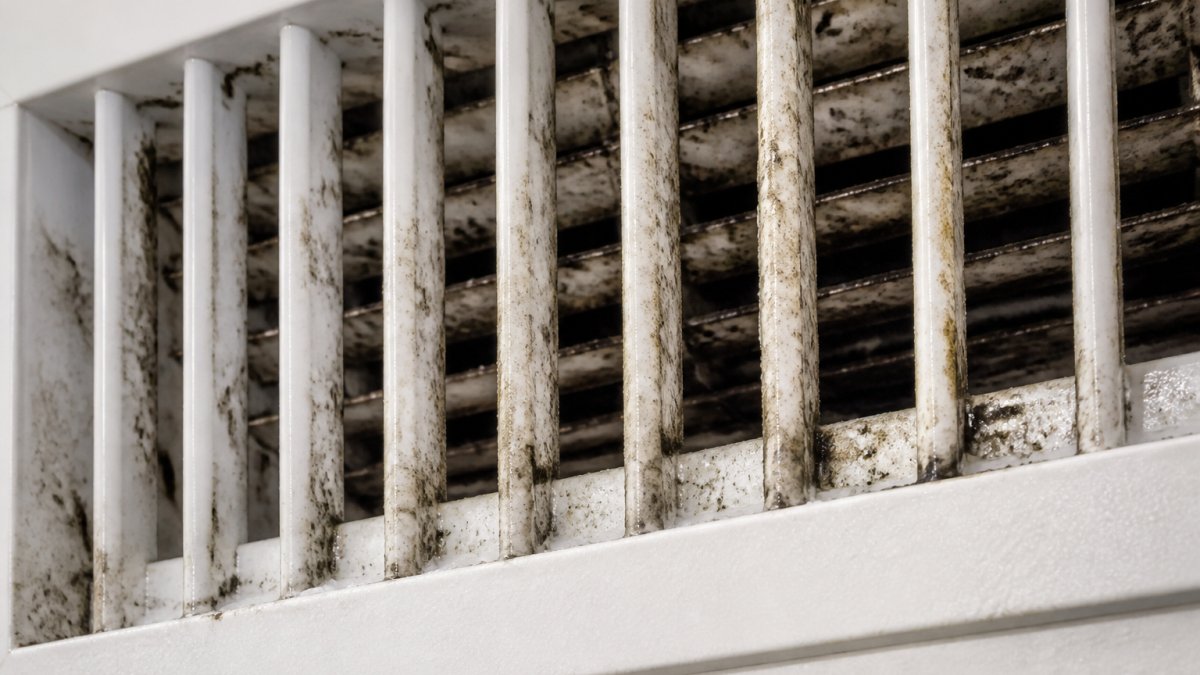
Visual signs of mold growth
Look for dark spots, black patches, or greenish discoloration on vent covers, grilles, and visible ductwork. Mold can appear fuzzy or slimy and often grows in clusters.
Pay special attention to where moisture collects, vent cover edges and ductwork corners are common hotspots. If you see fuzzy growth, stop using that AC until you clean it.
Odor and airflow indicators
A musty, earthy smell from your vents is a red flag that mold is already inside your ducts, even if you can’t see it. Reduced airflow from certain vents can also signal mold blocking air passages.
Unusual rattling or clicking might mean mold debris is loose inside the ductwork. If your allergies worsen when the AC runs, mold growth could be the culprit.
What Causes Mold Around Air Vents
Mold thrives in damp environments, and your AC creates ideal conditions for it. Understanding what causes mold around air vents helps you prevent it from returning after you clean.
Condensation and moisture buildup
Your AC cools air by removing heat and moisture, which creates condensation inside the system. When that moisture sits too long without draining, mold spores land on wet surfaces and grow.
Split-system air conditioners (outdoor unit plus indoor wall-mounted unit) are especially prone to condensation.
Humidity above 50 percent encourages mold growth, so homes in humid climates or with poor ventilation create ideal conditions for mold to spread through the AC system (the CDC).
Poor drainage and clogged drain lines
Every AC has a drain line running from the indoor unit to the outside or a drain pan. If algae, dust, or debris blocks it, water backs up and pools inside your system.
A clogged drain pan is another common issue, stagnant water lets mold grow rapidly, and you may not notice until spores circulate through your home.
Check your drain line regularly by pouring water down it. If it backs up or drains slowly, the line needs cleaning.
Safety Precautions Before Cleaning Mold
Mold spores can irritate your lungs and trigger allergic reactions, so taking safety seriously protects you and your family.
When to call a professional
If mold covers more than a few square inches, call a professional HVAC technician.
If you have asthma, COPD, or a compromised immune system, avoid cleaning mold yourself. A certified HVAC contractor has the tools to clean ducts safely and prevent spores from spreading.
If the smell is strong and persistent, or family members develop respiratory symptoms after the AC runs, professional help is necessary, some mold problems signal deeper moisture issues needing expert diagnosis.
Health precautions and protective equipment
Wear an N95 or P100 respirator rated for mold spores, a basic dust mask won’t protect you.
Open windows and doors first to reduce airborne spore concentration. Turn off your AC completely before you begin, never clean while the system is running.
Work in daylight when you can see clearly, and use a flashlight to inspect dark spaces where mold is easy to miss. Wash your hands and face thoroughly afterward.
Step-by-Step Guide to Cleaning Your AC Vents
Follow these steps to safely clean mold from your air conditioning vents. This works for most residential AC systems with accessible vent covers and filters.
Step 1: Turn off and unplug your air conditioner
Switch your thermostat to OFF, then turn off the AC breaker at your electrical panel. Unplug the unit if you can reach the outlet, never work on a powered AC system.
Wait 10 minutes after shutting down so residual charge dissipates.
Step 2: Remove vent covers and filters
Locate all vent covers, return air vents are usually larger and on walls or ceilings, while supply vents are smaller. Gently unclip or unscrew each cover and set it aside.
Check your air filter next, most slide out from a slot in your indoor unit or return duct. If it’s visibly moldy or very dirty, replace it; a clean filter improves airflow and prevents future mold growth.
Step 3: Clean accessible surfaces with appropriate solutions
Mix white vinegar and water (1 part vinegar to 3 parts water), vinegar kills mold naturally and is safe for most AC components.
Never mix bleach with other cleaners, and note it can damage metal fins and plastic.
Dip a soft brush or cloth into the solution and scrub visible mold on vent covers, grilles, and accessible ductwork. Wipe with a clean, damp cloth and rinse away all residue.
Step 4: Address split-system AC fins and coils
Split-system ACs have metal fins on the indoor unit that stay moist and often grow mold. Use a soft brush to gently clean between them, working carefully to avoid bending them.
For the evaporator coil, use a coil cleaner designed for AC systems and follow the instructions. Never spray water directly into electrical components.
If you cannot safely access the coil, skip this step and call a professional. Damaging the coil is expensive to repair.
Step 5: Dry thoroughly and reassemble
After cleaning, wipe all surfaces with a dry cloth, leftover moisture encourages mold to return quickly. Use a hair dryer on low for hard-to-reach areas if needed.
Reinstall the air filter and screw or clip vent covers back in place, making sure everything is secure and flush against walls or ceilings.
Turn the breaker back on, set your thermostat, and run the system for 15 minutes to confirm normal airflow from all vents.
How to Clean HVAC Vents and Ductwork
Cleaning visible vent covers is only part of the solution. Mold can grow deep inside your ductwork where you cannot see it. Understanding the limits of DIY cleaning helps you decide when professional service is necessary.
Cleaning accessible ductwork
If your ductwork has removable sections, use a flashlight to inspect for mold. For growth within arm’s reach, apply your vinegar or hydrogen peroxide solution, then wipe with a cloth wrapped around a broomstick.
Never push a cloth too far into ducts, you could dislodge mold debris and spread spores deeper. Work only on surfaces you can clearly see and safely reach.
Let the area dry completely before reassembling, trapped moisture lets mold return within days.
When professional duct cleaning is necessary
Professional HVAC cleaners use rotary brushes and high-powered vacuums to reach areas you can’t access safely. If mold smell persists after DIY cleaning or you suspect mold deep in the ductwork, professional cleaning is worth the investment.
A professional will also inspect your whole system for moisture problems, identifying failing seals, improper insulation, or drainage issues that cause mold to keep returning.
Mold in Air Ducts: Diagnosis and Solutions
Finding mold is one thing, understanding why it’s there prevents it from coming back. A moisture problem is always the root cause.
How to diagnose moisture problems
Check your condensate drain line first: pour water down slowly and watch it flow.
Inspect the drain pan under the indoor unit.
Look for visible leaks around your AC: wet insulation, water stains on walls or ceilings, or puddles near the indoor unit all signal drainage problems that need fixing before you clean mold.
Check humidity with an inexpensive meter from a hardware store. If it stays above 55 percent, your AC can’t remove moisture fast enough and you may need a dehumidifier.
Addressing the underlying moisture source
Fix a clogged condensate drain line by flushing it with vinegar and hot water. If it’s cracked or damaged, call an HVAC technician to replace it.
Keep your drain pan clean and properly positioned; if it’s damaged or drains poorly, replace it, a new pan is cheap compared to repeated mold problems.
Improve ventilation: run exhaust fans in bathrooms and kitchens to remove moisture at the source, open windows on dry days, and use a whole-house dehumidifier in very humid climates.
How to Prevent Mold in Air Ducts
Once you’ve cleaned mold and fixed the moisture problem, these simple prevention steps keep it from returning.
Regular maintenance and filter replacement
Change your air filter every 1 to 3 months, pets, dust, and pollen clog filters faster. A clean filter improves airflow and helps your AC remove moisture efficiently, so keep replacements on hand.
Schedule annual HVAC maintenance before cooling season. A technician will inspect your system, clean components, and catch small issues before they become expensive.
Managing humidity and condensation
Keep indoor humidity between 30 and 50 percent, using a dehumidifier if your AC can’t maintain that range. In very humid climates, running the AC even when it’s cool outside helps remove excess moisture.
Ensure adequate ventilation: run exhaust fans during and for 20 minutes after showers or cooking, and make sure they vent outside, not into your attic.
Insulate ductwork in unconditioned spaces like attics or crawl spaces, uninsulated ducts get cold, moisture condenses, and mold grows.
Complementary air purification strategies
An air purifier like the Aero Essence LLC SR100 captures mold spores circulating through your home.
The SR100 provides visual confirmation it’s working, giving confidence your indoor air is being cleaned.
Place the purifier in your main living area or bedroom and run it continuously during humid seasons when mold risk is highest.
Prevention is your best defense. Keep filters clean, manage humidity levels, and maintain your AC system annually.
| Step | Action | Duration |
|---|---|---|
| 1 | Turn off and unplug AC unit | 2 minutes |
| 2 | Remove vent covers and filters | 5 minutes |
| 3 | Clean surfaces with vinegar solution | 15-20 minutes |
| 4 | Clean fins and accessible coils | 10-15 minutes |
| 5 | Dry all surfaces thoroughly | 10 minutes |
| 6 | Reassemble and test system | 5 minutes |
Check your condensate drain line monthly during cooling season. A slow drain is the earliest warning sign of a moisture problem. Flushing it with vinegar and hot water takes just a few minutes and prevents mold from taking hold.
Never mix bleach with other cleaning products. The chemical reaction creates toxic fumes that can damage your lungs. If you use bleach, dilute it heavily and use it alone.
Frequently Asked Questions
What causes mold to grow around air vents in the ceiling?
Mold thrives in damp environments. Air conditioning systems create condensation as they cool air, and if that moisture isn’t properly drained or if humidity levels stay high, mold spores settle and grow on vent covers, fins, and ductwork. Clogged drain lines and poor airflow also trap moisture, accelerating mold growth. Check your AC’s drain pan and drain line for blockages.
Can I clean mold inside an air duct myself, or do I need a professional?
Visible mold on accessible vent covers and grilles can be cleaned safely at home with proper precautions. However, mold deep inside air ducts, on evaporator coils, or throughout your ductwork typically requires professional HVAC cleaning. If you have respiratory sensitivities, asthma, or COPD, or if mold covers a large area, call a licensed HVAC contractor. Professional equipment and mold remediation expertise ensure safe, thorough removal.
How often should I clean or replace my air filter to prevent mold?
Replace your air filter every 1 to 3 months, depending on usage and air quality. A clogged filter reduces airflow and traps moisture, creating ideal conditions for mold. If you have pets or live in a humid climate, replace filters monthly. Clean or replace filters promptly to maintain proper airflow and reduce the moisture that mold needs to grow.
What cleaning solution is safest for mold on AC vents?
White vinegar (undiluted or 1:1 with water) and hydrogen peroxide are effective and safer alternatives to bleach. For plastic grilles, vinegar is gentler. For metal fins and coils, hydrogen peroxide works well. Avoid mixing bleach with ammonia or other cleaners. Always test on a small area first, wear gloves, and ensure the unit is unplugged. If mold persists after cleaning, professional mold remediation may be needed.