
Managing Asthma Symptoms With Air Purification
Table of Contents
- How Air Purifiers Work for Asthma Relief
- HEPA Filter Asthma Benefits and Filtration Technology
- Best Air Purifier for Allergy Relief: Key Features to Evaluate
- How to Reduce Asthma Triggers at Home Beyond Air Purification
- Indoor Air Quality Management and Respiratory Health
- Scientific Evidence: Air Purification and Asthma Symptom Reduction
- Conclusion
Last Updated: August 25, 2026
How Air Purifiers Work for Asthma Relief
Air purifiers tackle asthma by removing the particles and irritants that trigger respiratory symptoms. When you run an air purifier designed for asthma relief, it pulls indoor air through a series of filters that trap dust, pollen, pet dander, mold spores, and other airborne particles before recirculating cleaned air back into your room. The result is measurably lower concentrations of the very substances that inflame airways and cause asthma attacks.
The mechanism is straightforward but effective. Air passes through the purifier’s intake, encounters progressively finer filtration layers, and exits as cleaner air. For asthma sufferers, this continuous cycling matters because airborne particles don’t settle quickly, they remain suspended in your breathing zone for hours. A running purifier intercepts them before they reach your lungs.
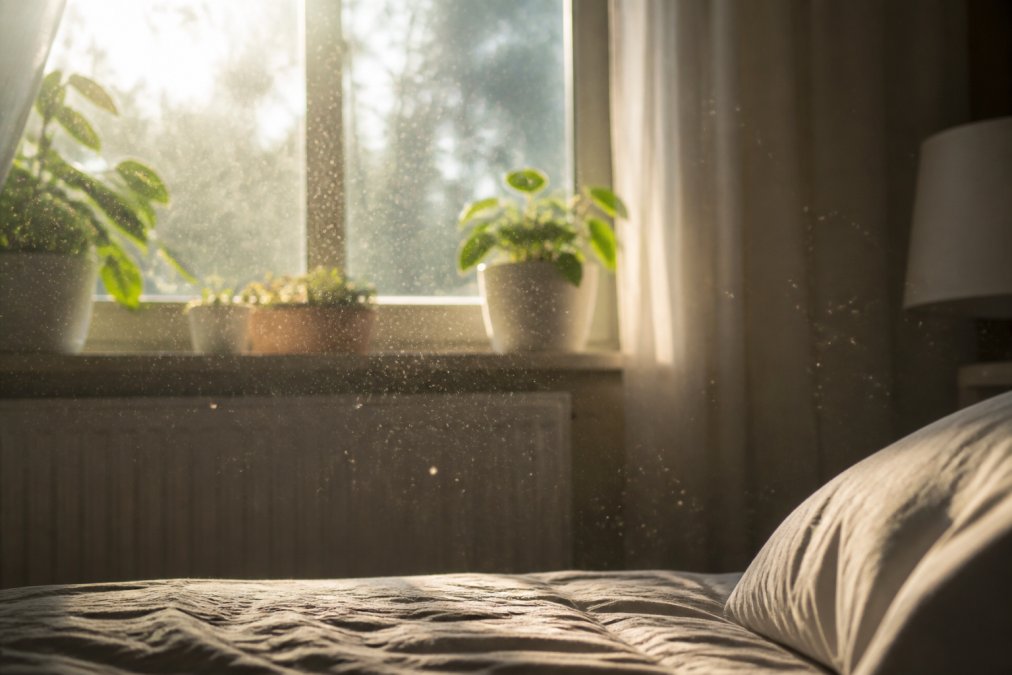
The effectiveness depends on how well the purifier’s filtration technology matches the specific pollutants in your home. Different asthma triggers require different approaches. Someone battling wildfire smoke needs a purifier rated for fine particulate matter. A parent managing pet dander needs strong capture of larger particles. A homeowner concerned about mold requires both particulate and activated carbon filtration. Managing asthma symptoms with air purification means matching the right technology to your actual indoor air quality challenges.
HEPA Filter Asthma Benefits and Filtration Technology
Understanding HEPA Efficiency and Particulate Matter Capture
HEPA (High-Efficiency Particulate Air) filters are the industry standard for asthma-focused air purification because they capture particles down to 0.3 microns with 99.97% efficiency. For context, that’s smaller than most pollen grains and well into the range of dust mite allergens and fine smoke particles. A HEPA filter’s dense fiber matrix creates multiple barriers, particles get trapped through mechanical interception, diffusion, and impaction as air forces them into the filter material.
This level of filtration directly addresses respiratory health concerns. Particulate matter, especially PM2.5 (particles 2.5 microns or smaller), penetrates deep into the lungs and triggers inflammation in asthma sufferers. HEPA filtration removes the majority of these fine particles before they enter your breathing space. The visual difference is often immediate, people with asthma frequently report easier breathing within days of running a HEPA-equipped purifier, particularly those living in areas prone to seasonal pollen or wildfire smoke.
The efficiency rating matters because not all HEPA-style filters perform equally. True HEPA filters meet strict Department of Energy standards. Some purifiers use "HEPA-type" or "HEPA-like" filters that capture less effectively. When managing asthma symptoms with air purification, verifying that your purifier uses certified HEPA filtration, not a knockoff version, is critical for actual results.
Beyond HEPA: Additional Filtration Layers
Most high-performance air purifiers combine HEPA with activated carbon and pre-filters to handle a broader range of indoor air quality challenges. Pre-filters catch larger particles like pet hair and dust, extending the HEPA filter’s lifespan. Activated carbon removes volatile organic compounds, odors, and some gaseous pollutants that HEPA alone cannot address. Together, these layers create a more comprehensive defense against indoor air quality problems.
For asthma management, this multi-layer approach matters because triggers aren’t just particulate. Mold spores, which are larger particles, get caught by HEPA. But mold growth also releases volatile compounds that irritate airways, activated carbon handles that portion. Pet dander particles get trapped by HEPA, but the proteins in dander that cause allergic responses can be partially mitigated by carbon filtration. A purifier handling nine distinct types of pollutants, dust mites, pet dander, pollen, mold spores, smoke, and others, requires this layered technology to deliver real respiratory health improvements.
Check the filter replacement schedule before buying. Some purifiers require new filters every 3-6 months, others every 12 months. Filter costs and replacement frequency directly impact long-term ownership expenses, so factor this into your decision.
Best Air Purifier for Allergy Relief: Key Features to Evaluate
CADR Ratings and Room Size Matching
CADR (Clean Air Delivery Rate) measures how many cubic feet per minute of clean air a purifier delivers for specific pollutants: smoke, dust, and pollen. A purifier rated CADR 400 for smoke removes smoke particles at a rate of 400 cubic feet per minute. For asthma relief, matching CADR to your room size is essential because an undersized purifier simply cannot process air fast enough to make a meaningful difference.
The rule of thumb: multiply your room’s square footage by 2.5 to find the minimum CFM (cubic feet per minute) you need. A 200-square-foot bedroom requires roughly 500 CFM. A 400-square-foot open-concept living area needs closer to 1,000 CFM. If your purifier’s CADR falls short, you’re cycling the same air without sufficient filtration intensity. The result feels like the purifier isn’t working, and technically, it’s working, just not fast enough to manage your room’s pollutant load.
For managing asthma symptoms with air purification in larger spaces, undersizing is a common mistake. People buy a mid-range purifier expecting it to handle their entire living area, then wonder why allergy symptoms persist. The air is cleaner, but the concentration of pollutants remains high because the purifier can’t keep pace with the room’s volume.
Noise Levels and Smart Home Integration
Noise matters more than many guides acknowledge. A purifier running 24/7 in your bedroom at 60 decibels will disrupt sleep quality, which undermines asthma management. Sleep deprivation worsens respiratory function and immune response. Look for purifiers rated below 50 decibels on their highest setting, most operate quieter on medium settings.
Smart home integration isn’t essential, but it removes friction from daily use. A purifier you can schedule to run before you arrive home, or control via smartphone when you notice symptoms worsening, gets used consistently. Inconsistent use defeats the purpose. Some models integrate with air quality sensors that automatically adjust fan speed based on detected PM2.5 levels, ensuring you’re always running at the right intensity without manual adjustment.
The best [air purifier](/total-cost-of-air-purifier-ownership-a-2026-guide/) for allergy relief combines appropriate CADR for your room size, true HEPA filtration, multi-layer technology for diverse pollutants, reasonable noise levels, and convenient controls, all at a price point you’ll maintain long-term.
How to Reduce Asthma Triggers at Home Beyond Air Purification
Strategic Placement and Maintenance Routines
Where you place your purifier determines its effectiveness. Position it in the room where you spend the most time, typically your bedroom for asthma sufferers, since sleep quality directly impacts respiratory health. Avoid corners and enclosed spaces; place the purifier where air can circulate freely around it. Many people mistakenly hide their purifier in a corner, which restricts intake and reduces effectiveness.
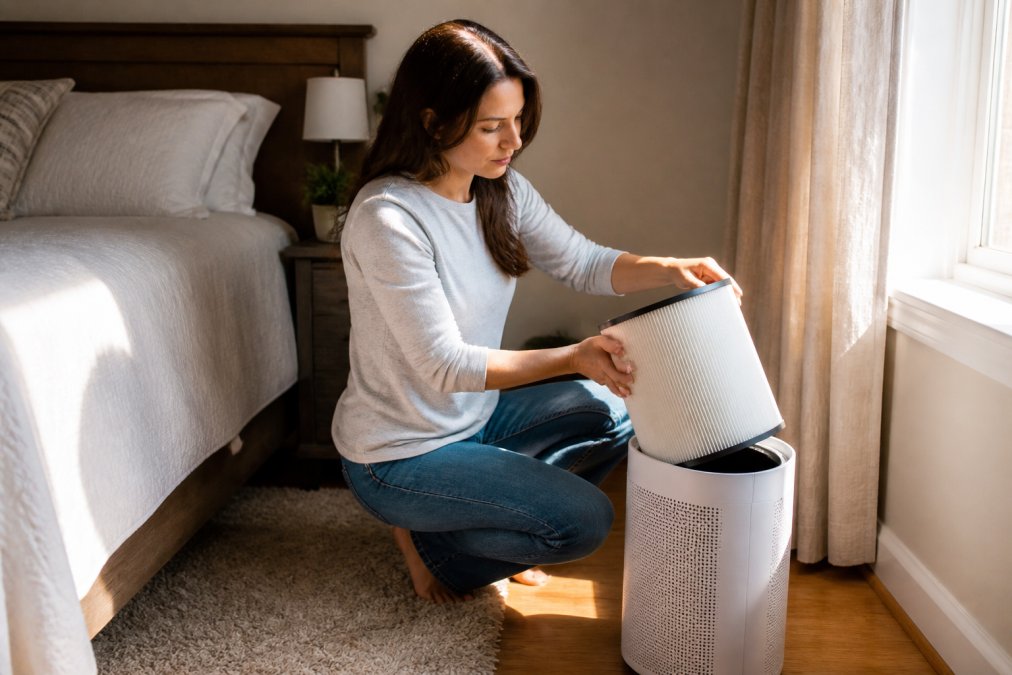
Maintenance routines determine whether your purifier remains effective or becomes a dust collector. Check pre-filters monthly and replace them when visibly clogged, this prevents the HEPA filter from working harder than necessary. HEPA filters typically last 6-12 months depending on your home’s pollution load and purifier usage. If you live in an area prone to wildfire smoke or have multiple pets, expect shorter intervals.
A common mistake is running a purifier with a clogged filter. As the filter loads with particles, airflow decreases and the purifier must work harder to maintain CADR, if it can at all. Many modern purifiers have filter-life indicators; when they signal replacement time, trust them. Ignoring that signal means your air quality improvement plateaus or reverses.
Filter Replacement Costs and Long-Term Ownership
Filter replacement is the real cost of air purification over time. A purifier might cost $300-$800 upfront, but if filters run $60-$120 each and need replacing twice yearly, you’re looking at $120-$240 annually in filter costs. Over five years, that adds $600-$1,200 to your initial investment. Understanding total cost of ownership prevents sticker shock and helps you choose a purifier you’ll actually maintain.
Some purifiers use proprietary filters available only from the manufacturer, while others use standard filters you can source from multiple retailers. Standard filters often cost less and offer more flexibility. Factor this into your decision, especially if budget constraints might affect your willingness to replace filters on schedule. An inexpensive purifier with expensive, hard-to-find filters becomes an abandoned device. A higher-priced purifier with affordable, readily available filters gets used consistently.
Delaying filter replacement is the fastest way to make an air purifier ineffective. Once a filter reaches capacity, it stops capturing new particles efficiently. Your asthma symptoms won’t improve because the purifier has stopped doing its job, even though it’s still running.
Indoor Air Quality Management and Respiratory Health
Managing asthma symptoms with air purification works best as part of a broader indoor air quality strategy. Air purifiers address airborne particles, but they don’t eliminate moisture problems that encourage mold growth, dust mite populations, or pet dander accumulation. A purifier running in a humid basement prone to mold will help, but you’re fighting an uphill battle without also addressing humidity.
Complementary strategies include maintaining indoor humidity between 30-50% (too high promotes mold and dust mites, too low irritates airways), regularly vacuuming with HEPA-filter-equipped vacuums to prevent particles from becoming airborne in the first place, washing bedding weekly in hot water to reduce dust mite allergens, and minimizing soft furnishings that trap particles. A purifier amplifies the benefits of these practices by continuously removing particles that would otherwise accumulate.
The relationship between air quality and respiratory health is direct. Better indoor air quality means fewer asthma triggers, fewer symptoms, and potentially reduced medication burden. Individual responses vary, but improved sleep quality and reduced respiratory symptoms are common experiences among people who commit to managing indoor air quality seriously.
Scientific Evidence: Air Purification and Asthma Symptom Reduction
Research consistently shows that improved indoor air quality reduces asthma symptom frequency and severity. Studies examining HEPA filtration in homes with asthma sufferers document measurable improvements in lung function tests, reduced nighttime symptoms, and fewer asthma exacerbations. The mechanism is clear: removing the particles that trigger airway inflammation reduces inflammation itself.
The evidence is strongest for particulate matter reduction. When PM2.5 concentrations drop, asthma symptoms improve. This relationship holds across different populations, climates, and home environments. A person in a wildfire-prone area sees symptom improvement when smoke-laden air is filtered. A pet owner sees improvement when pet dander is continuously removed. Someone in a humid climate with mold concerns sees improvement when spores are captured before they’re inhaled.
What the research doesn’t show is that air purification alone cures asthma or eliminates the need for medication. Asthma is a chronic condition; managing asthma symptoms with air purification is a symptom-reduction strategy, not a cure. People still need their rescue inhalers and controller medications. But when air quality improves, medication needs often decrease, and quality of life improves measurably.
According to EPA guidance on indoor air quality and asthma, reducing exposure to indoor air pollutants is a key component of asthma management. The American Lung Association’s recommendations for home air quality emphasize the role of HEPA filtration in reducing asthma triggers. Research from environmental health journals on particulate matter and respiratory function documents the physiological improvements from reduced PM2.5 exposure.
Managing asthma symptoms with air purification starts with understanding that effective purification requires matching technology to your specific triggers and room size. HEPA filtration captures the fine particles that inflame airways. Multi-layer filtration addresses diverse pollutants, smoke, mold, pet dander, pollen.
At Aero Essence LLC, the SR100 is designed specifically for this challenge. It handles nine distinct types of pollutants and provides visual confirmation that it’s actively working, something many asthma sufferers find reassuring. The device targets invisible particles like dust mites, pet dander, pollen, mold spores, and smoke, giving you measurable confidence that your indoor air quality is improving. For homeowners serious about reducing asthma triggers and improving respiratory health, the SR100 delivers the HEPA filtration, multi-layer technology, and performance monitoring that makes a real difference.
Shop the SR100 and start improving your indoor air quality today
| Feature | Impact on Asthma Management | Importance |
|---|---|---|
| HEPA Filtration | Captures 99.97% of particles 0.3 microns and larger | Critical |
| Appropriate CADR Rating | Ensures sufficient air processing for your room size | Critical |
| Multi-Layer Filtration | Addresses diverse pollutants beyond particulate matter | High |
| Noise Level Below 50dB | Prevents sleep disruption that worsens asthma | High |
| Filter Replacement Accessibility | Enables consistent maintenance and long-term use | High |
| Visual Confirmation | Provides feedback that purification is occurring | Medium |
Frequently Asked Questions
Q: Can an air purifier really help reduce asthma symptoms?
A: Yes. Air purifiers with HEPA filters capture airborne particles like dust mites, pet dander, pollen, and mold spores that trigger asthma attacks. By removing these allergens and irritants from your indoor air, a quality air purifier reduces respiratory symptoms. Effectiveness depends on using the right CADR rating for your room size and maintaining your filters consistently.
Q: What makes HEPA filters so effective for asthma?
A: HEPA filters trap 99.97% of particles 0.3 microns or larger, including PM2.5 and smaller particulate matter that penetrate deep into the lungs. This filtration efficiency directly reduces the airborne allergens and irritants that trigger asthma flare-ups. When paired with pre-filters and activated carbon layers, HEPA technology addresses multiple pollution sources, dust, dander, pollen, and volatile organic compounds.
Q: How often should I replace my air purifier filter, and what will that cost?
A: Most HEPA filters last 6 to 12 months depending on your indoor air quality and usage. Replacement frequency increases if you have pets or live in areas with wildfire smoke or high pollen counts. Filter costs vary by model; check your purifier's specifications and budget for annual replacement expenses. Keeping filters fresh ensures optimal CADR performance and sustained asthma symptom relief.
Q: Will an air purifier solve mold problems, or do I need professional remediation?
A: An air purifier removes mold spores from the air, reducing respiratory exposure and asthma triggers. However, it does not eliminate the source of mold growth. If you have visible mold, moisture issues, or basement dampness, address the underlying cause through ventilation, dehumidification, or professional mold remediation. Use air purification as part of a comprehensive indoor air quality strategy, not as a standalone solution.
This article was written using GrandRanker