
Living with Cats and Allergies: 7 Lifestyle Changes That Work
Table of Contents
- Understanding Cat Allergy Symptoms and Treatment Options
- Step 1: Create a Cat-Free Bedroom and Establish Physical Barriers
- Step 2: How to Reduce Cat Allergens in the Home Through Daily Cleaning
- Step 3: Cat Allergy Cleaning Tips for Dander Control and Grooming
- Step 4: Using an Air Purifier for Cat Allergies to Manage Indoor Air Quality
- Step 5: Managing Household Members, Visitors, and Shared-Care Routines
- Step 6: Prioritizing Your Plan Based on Symptom Severity and Budget
- Frequently Asked Questions
Last Updated: October 15, 2026
Understanding Cat Allergy Symptoms and Treatment Options
Living with cats allergies means dealing with invisible enemies. Cat allergens come from dander, saliva, and urine. They float in the air and settle on surfaces. For many people, sneezing, itchy eyes, and congestion become daily struggles.
The good news? You don’t have to choose between your cat and your health. The right combination of steps can dramatically reduce your symptoms.
Common Symptoms and When to Seek Medical Help
Cat allergy symptoms vary widely. Some people notice mild sneezing. Others face serious breathing problems. Common signs include:
- Sneezing and nasal congestion
- Itchy, watery, or red eyes
- Skin reactions and hives
- Coughing and wheezing
- Asthma flare-ups
When should you see a doctor? Seek medical help if symptoms interfere with sleep, work, or daily life. If you experience difficulty breathing or chest tightness, get help immediately. Asthma triggered by cat allergens needs professional management.
Your doctor can run tests to confirm a cat allergy. They’ll also rule out other causes like seasonal pollen or dust mites. This matters because your treatment plan depends on knowing what you’re actually allergic to.
Allergy Testing and Distinguishing Cat Allergy from Other Causes
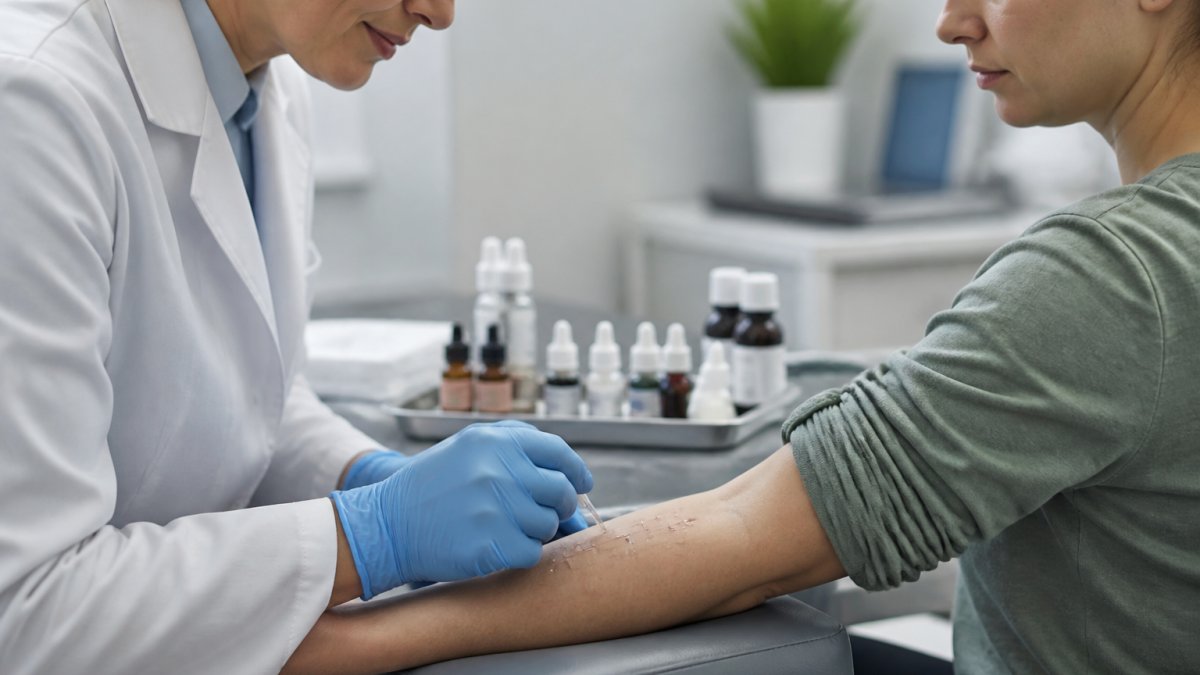
Allergy testing confirms whether cats are truly your problem. Two main tests exist: skin prick tests and blood tests. Both measure your immune response to cat allergens.
A skin prick test takes 15-20 minutes. Your doctor places tiny amounts of allergen on your skin and pricks the surface. If you’re allergic, a small bump appears within 15 minutes. Blood tests take longer but work well if you have sensitive skin or take certain medications.
Why does this matter? Many people assume cats cause their allergies when dust mites or mold are the real culprits. Distinguishing cat allergy from other causes changes your entire strategy. If it’s truly cat dander, you’ll focus on grooming, air quality, and physical barriers.
Step 1: Create a Cat-Free Bedroom and Establish Physical Barriers
Your bedroom is your sanctuary. You spend eight hours there. Make it allergen-free, and you’ll sleep better and wake up clearer.
Start with a closed door. Keep your cat out of the bedroom entirely. This single barrier prevents allergen buildup where you spend the most vulnerable hours.
Next, invest in allergen-blocking bedding. Washable, tightly woven sheets and pillowcases trap dander. Wash them weekly in hot water. A mattress protector creates another barrier between you and accumulated allergens.
Consider a HEPA air purifier in your bedroom. It removes cat allergens from the air while you sleep. The visual confirmation that it’s working gives you peace of mind.
Hard flooring beats carpet. Allergens cling to carpet fibers. Hard surfaces are easier to clean and don’t trap dander. If you must have carpet, vacuum it twice weekly with a HEPA filter vacuum.
Step 2: How to Reduce Cat Allergens in the Home Through Daily Cleaning
Cleaning is your frontline defense. Consistent routines remove allergens before they accumulate. The key is frequency, not intensity.
Vacuuming and Dusting Routines
Vacuum high-traffic areas twice weekly. Use a vacuum with a HEPA filter, standard filters let allergens pass right through. Vacuuming stirs up particles, so wear a mask while cleaning.
Dusting matters equally. Allergens settle on surfaces everywhere: shelves, furniture, windowsills. Use a damp cloth when dusting. Dry dusting spreads particles into the air. Damp cloths trap them on the cloth.
Focus on areas where your cat spends time. Couches, armchairs, and bedding accumulate the most dander. Dust these spots weekly. Don’t forget light fixtures and ceiling fans, they collect allergens too.
Washing Bedding, Upholstery, and Hard Surfaces
Wash all bedding weekly in hot water (the American Academy of Dermatology). Hot water kills allergens more effectively than cold. Include pillowcases, sheets, and blankets.
Upholstered furniture needs attention too. Vacuum it weekly, then wipe with a damp cloth. For deeper cleaning, use an upholstery cleaner designed for allergen removal. Many people don’t realize furniture holds as much dander as bedding.
Hard surfaces need regular cleaning. Wipe counters, tables, and floors with a damp cloth weekly. Mop floors with a damp mop, not a dry one. Dry cleaning spreads allergens.
| Cleaning Task | Frequency | Impact |
|---|---|---|
| Vacuum high-traffic areas | 2x weekly | Removes settled dander |
| Dust surfaces with damp cloth | Weekly | Prevents airborne particles |
| Wash bedding in hot water | Weekly | Eliminates allergen buildup |
| Wipe upholstered furniture | Weekly | Reduces dander on seating |
| Mop hard floors | Weekly | Removes particles from walking areas |
Step 3: Cat Allergy Cleaning Tips for Dander Control and Grooming
Grooming your cat directly reduces the allergens it sheds. This step surprises many people, they don’t realize the cat itself is the source.
Brushing and Bathing Your Cat
Brush your cat 3-4 times weekly. Use a brush designed to remove loose fur and dander. Brush outdoors when possible, so allergens don’t spread through your home. If you must brush indoors, do it in a room with good ventilation.
Bathing your cat monthly reduces dander. Many cats resist baths, but regular bathing becomes routine. Use lukewarm water and cat-safe shampoo. A monthly bath cuts allergen shedding significantly.
Wear gloves and a mask when grooming. This protects you from direct dander exposure. Wash your hands immediately after grooming.
Hand Washing and Post-Contact Routines
Wash your hands after petting your cat. Dander clings to your hands and spreads to your face and eyes. Thorough hand washing removes allergens before they irritate you.
Wash your face after extended cat contact. Allergens on your face cause itching and eye irritation. A quick rinse removes most particles.
Change your clothes after extended playtime with your cat. Cat dander sticks to fabric. Changing clothes prevents you from carrying allergens to your bedroom or other clean areas.
Establish a post-contact routine: hands, face, clothes. This three-step process dramatically reduces allergen exposure throughout your day.
Step 4: Using an Air Purifier for Cat Allergies to Manage Indoor Air Quality
Indoor air quality makes a real difference. Airborne cat allergens float for hours. An air purifier captures them before you breathe them.
How HEPA Filters and Air Cleaners Reduce Allergen Buildup
HEPA filters trap 99.97% of particles 0.3 microns and larger (the EPA). Cat dander particles fall squarely in this range. A HEPA filter removes cat allergens from the air continuously.
The Aero Essence LLC SR100 tackles nine types of pollutants, including pet dander, dust mites, pollen, and mold spores. Its visual confirmation feature lets you see real-time particle counts. You know exactly when the purifier is working and how much it’s removing.
Air purifiers work best in enclosed spaces. Your bedroom, office, or living room benefits most. Open-concept spaces require larger units or multiple units for full coverage.
Placement, Maintenance, and Realistic Expectations
Place your air purifier in the room where you spend the most time. Bedroom placement helps you sleep better. Living room placement protects your main gathering space.
Position the purifier away from walls. Air needs to circulate around it. Place it on a shelf or table, not on the floor. This allows air to flow underneath and through the filter.
Change filters according to the manufacturer’s schedule. A clogged filter stops working.
Realistic expectations matter. An air purifier reduces airborne allergens but doesn’t eliminate all symptoms. It works best combined with other strategies: grooming, cleaning, and physical barriers. Think of it as one layer in your multi-layer defense.
Step 5: Managing Household Members, Visitors, and Shared-Care Routines
Living with cats allergies affects everyone in your home. Coordinating household routines prevents allergen spread.
Establish clear zones. Your bedroom stays cat-free. Other family members understand this boundary.
Visitors need simple guidelines. Ask guests to wash their hands after petting your cat. This prevents them from transferring dander to your face during hugs or handshakes.
If a household member cares for the cat, they should wash hands immediately after. They shouldn’t touch your face or sit close to you until they’ve cleaned up.
Consider assigning one person as the primary cat handler. This concentrates dander exposure to one person rather than spreading it throughout the household.
For shared furniture, use washable throws and blankets. Wash them weekly. This keeps allergens from building up on couches and chairs where everyone sits.
Step 6: Prioritizing Your Plan Based on Symptom Severity and Budget
Not every strategy works for every person. Prioritize based on your symptoms and what you can realistically do.
Mild Symptoms: Focus and Budget
If you have mild sneezing and occasional itchy eyes, start simple. Create a cat-free bedroom. Establish a weekly cleaning routine. Wash hands after petting your cat.
This approach costs almost nothing. A closed door is free. Weekly cleaning takes 30 minutes. Hand washing is automatic.
Many people find that these basic steps eliminate mild symptoms entirely. You don’t need expensive equipment for mild allergies.
Moderate Symptoms: Comprehensive Approach
Moderate symptoms, daily congestion, frequent sneezing, regular eye irritation, require more intervention. Add all the basics plus grooming and air purification.
Invest in a quality HEPA vacuum. Budget for monthly cat grooming or learn to do it yourself. Add a HEPA air purifier to your bedroom.
This multi-layer approach tackles allergens from multiple angles. You’re reducing allergen production (grooming), removing settled allergens (cleaning), removing airborne allergens (air purifier), and preventing exposure (cat-free bedroom).
Most people with moderate symptoms see significant improvement with this comprehensive approach.
Severe Symptoms and Asthma: Medical Escalation and Multi-Layer Defense
Severe symptoms or asthma triggered by cat allergens require medical support plus all lifestyle changes. Work with your doctor on medication.
Implement every strategy in this guide. Cat-free bedroom, daily cleaning, grooming, air purification, and hand washing. Don’t skip any layer.
Consider whether your cat stays in specific rooms only.
The Aero Essence LLC SR100 becomes essential at this level.
For asthma, severe reactions, or symptoms that don’t improve after four weeks of lifestyle changes, see an allergist. You may need allergy shots or prescription medications.
Living with cats and allergies is manageable. The combination of physical barriers, consistent cleaning, grooming, and air quality control works. Most people see real improvement within two weeks.
Start with the basics: close your bedroom door and establish a weekly cleaning routine. Add grooming and air purification as needed.
Frequently Asked Questions
Can you live with a cat if you have allergies?
Yes, many people with cat allergies live successfully with cats by combining multiple strategies. The key is reducing allergen exposure through a cat-free bedroom, regular cleaning, grooming, air purification, and symptom management. Allergy severity varies, mild allergies respond well to lifestyle changes alone, while moderate to severe cases may require medical treatment alongside environmental controls. Allergy testing can confirm whether your reaction is truly a cat allergy and help your doctor recommend the right medication.
How can I reduce cat allergens in my home?
Reduce cat allergens by establishing a cat-free bedroom with a closed door, vacuuming with a HEPA-filter vacuum twice weekly, dusting hard surfaces with damp cloths, and washing bedding in hot water weekly. Brush or bathe your cat regularly to minimize dander shedding, wash your hands after handling your cat, and use a high-performance air purifier with a HEPA filter to capture airborne particles. These steps work best when combined; no single action eliminates allergens entirely.
Do air purifiers help with cat allergies?
Yes, air purifiers with HEPA filters significantly reduce airborne cat dander and allergen buildup when used consistently. A high-performance unit can remove over 8,000 invisible particles from the air, capturing allergens that cleaning and grooming alone cannot reach. For best results, run the purifier continuously in your bedroom and main living areas. Air purifiers work most effectively when paired with cleaning routines, a cat-free bedroom, and other allergen-reduction strategies.
When should I see a doctor about cat allergy symptoms?
See a doctor if you experience persistent sneezing, nasal congestion, itchy or watery eyes, skin reactions, or breathing difficulty around cats. Seek immediate medical attention if you have severe reactions, asthma symptoms, or difficulty breathing. A doctor can perform allergy testing to confirm a cat allergy, rule out other causes, and prescribe antihistamines, nasal sprays, or other treatments. If you have asthma or COPD, medical guidance is especially important before relying solely on environmental controls.